License Plate Research Study
An accessibility-focused redesign of the U.S. license plate.




Overview
There are nearly 300 million registered vehicles in the United States, each adorned with a license plate. These metal plates help quickly identify the vehicle and its driver. Each of the 50 states has their own design and when there is no standard, the plates are not optimized to be easily read.
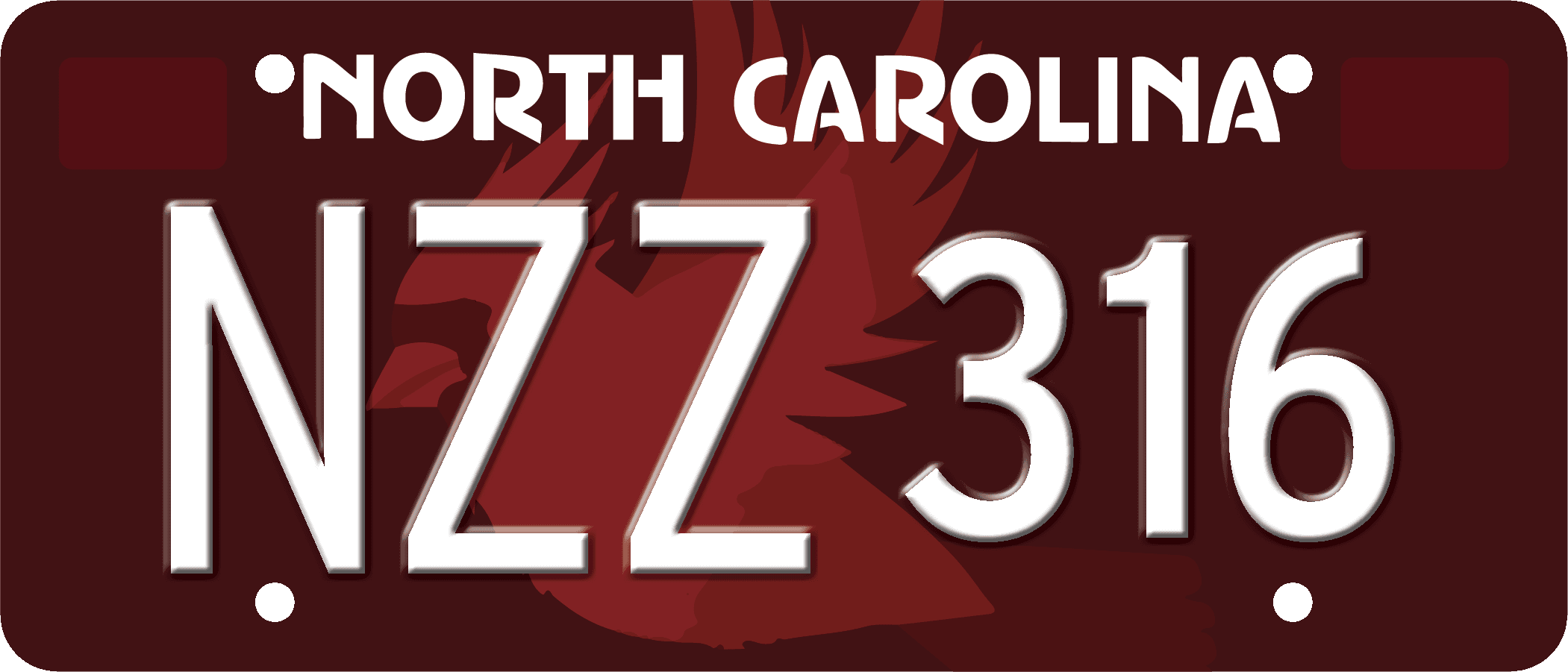
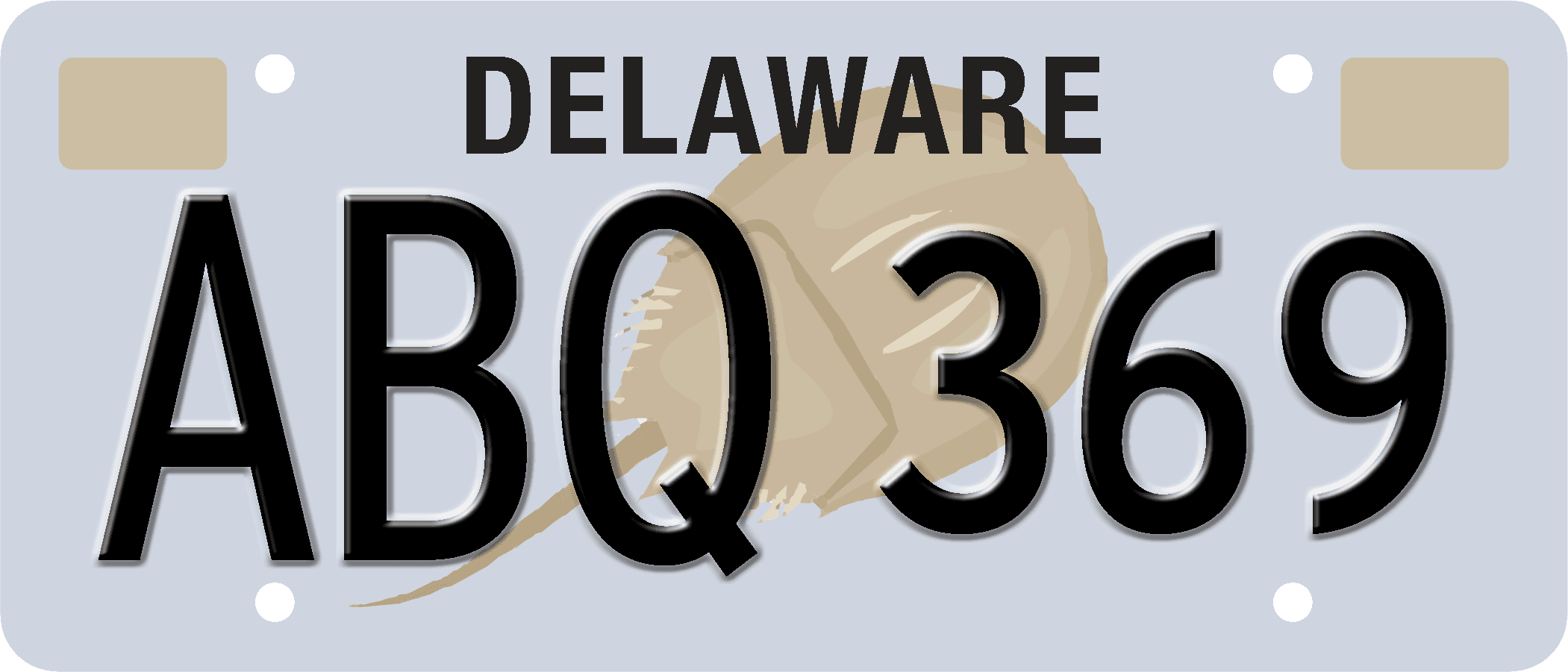
I redesigned the U.S. license plates by designing a standardized template that implements my research on legibility.
Roles
Graphic Design, Research
Tools
Adobe Illustrator, Adobe Photoshop
Duration
6 weeks, 2023
Team
Individual, concept
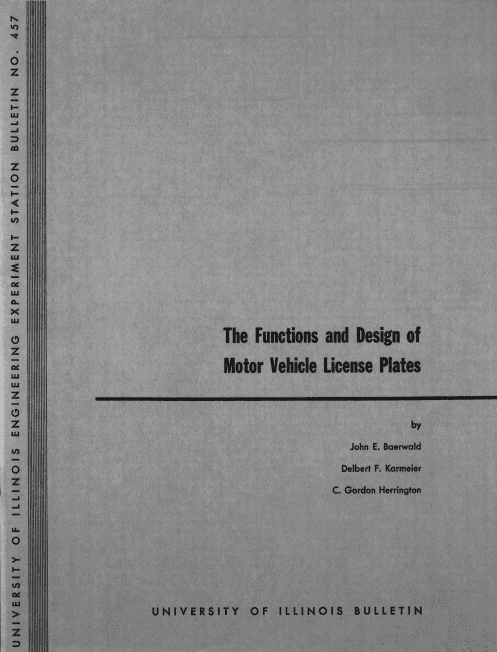
Research source
Exploration
What started out as a light creative exercise turned into a research sprint. I found that elements such as, but not limited to, high contrast backgrounds, low contrast foregrounds, and crowded slogans show us that that license plates are treated like vehicle ornamentation rather than vehicle identification. This leads to problems with legibility and recognition.
How might we improve license plate legibility?
Process
Here's what the research boils down to. The registration number on a license plate is the most important element that needs to be read quickly from a far distance.
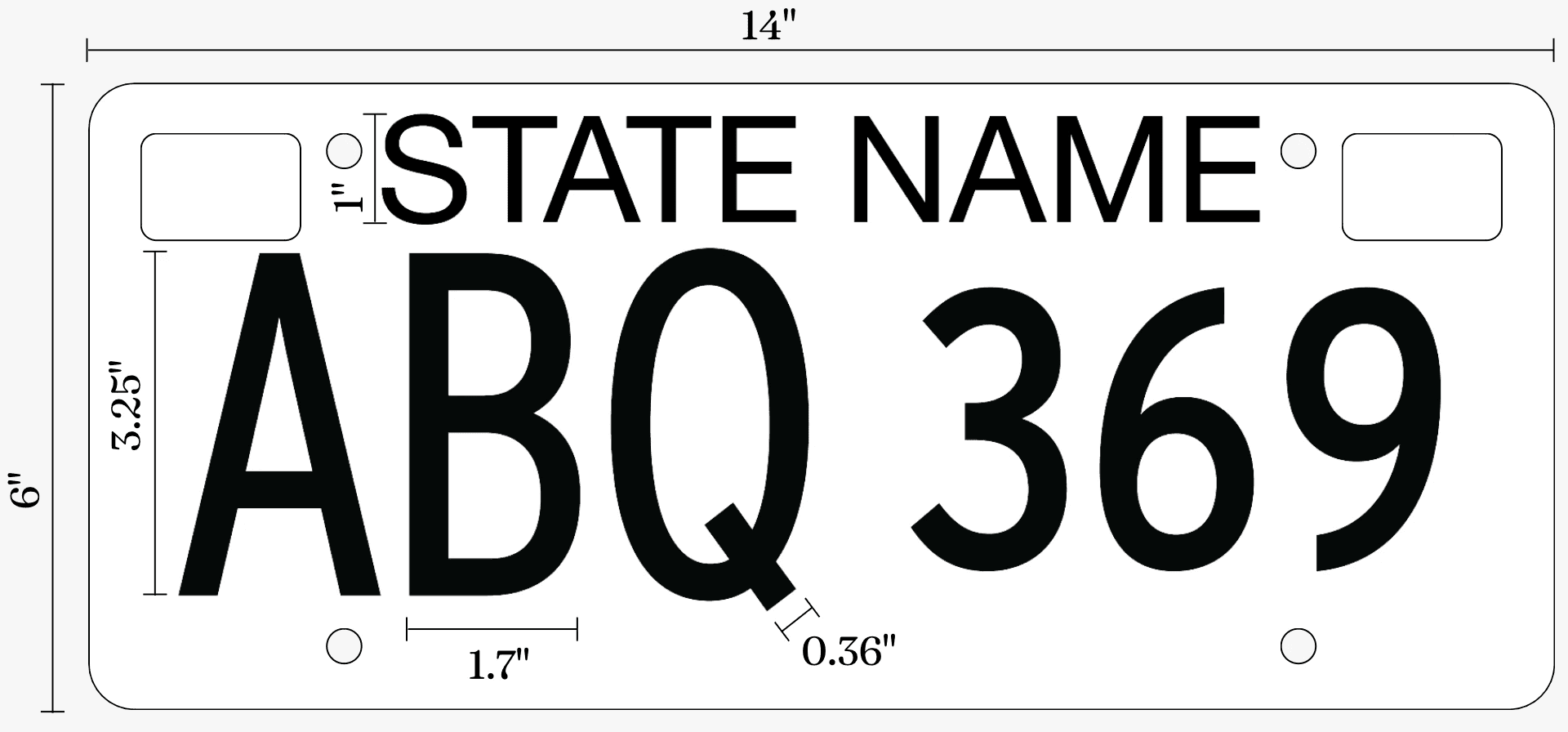
With the registration number as the focal point, the other constraints can be established. A template shows that I chose dimensions which accommodate larger numerals, removed state slogans, and considered the character height, width, and stroke weight.
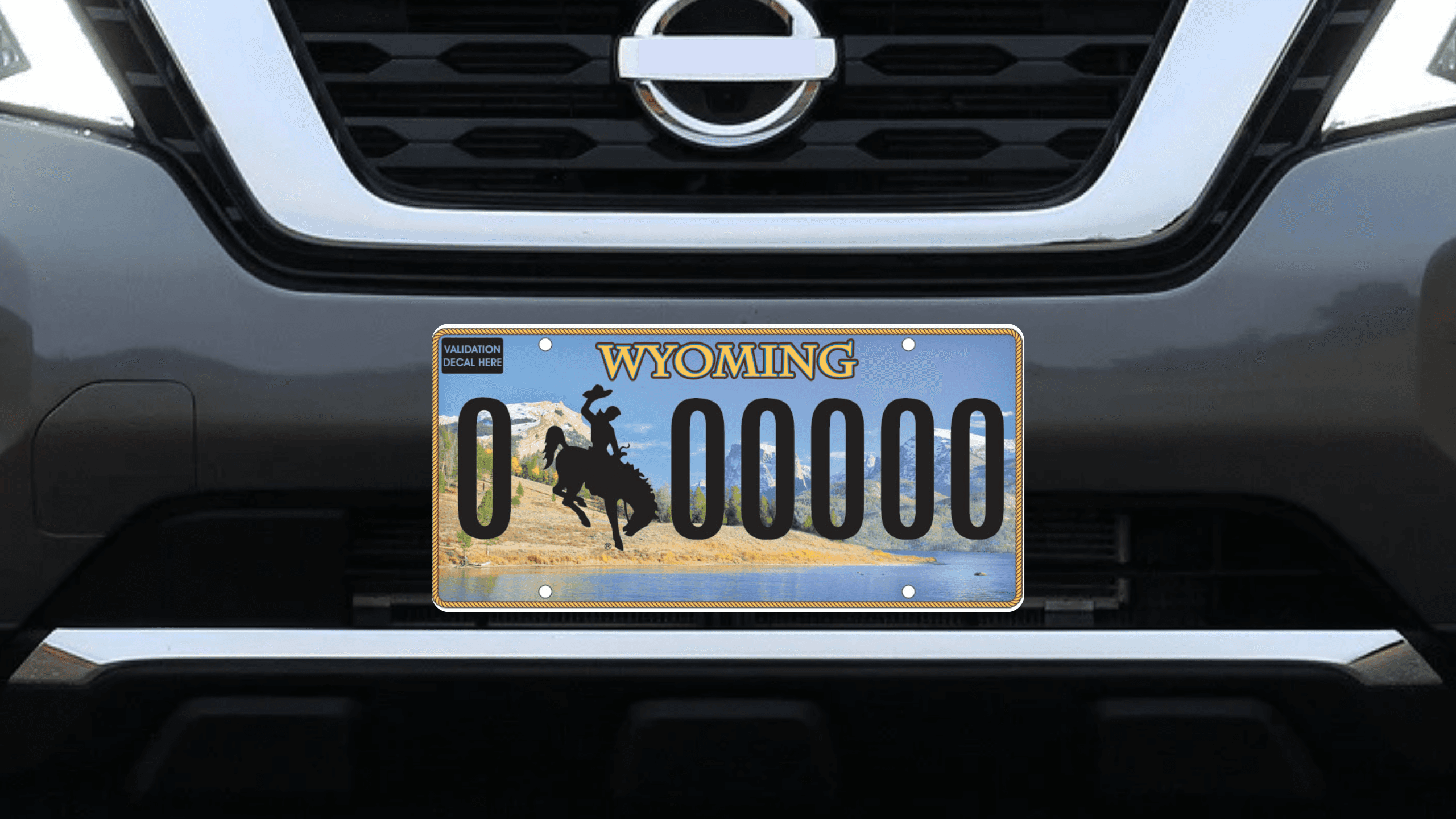
Before standardization
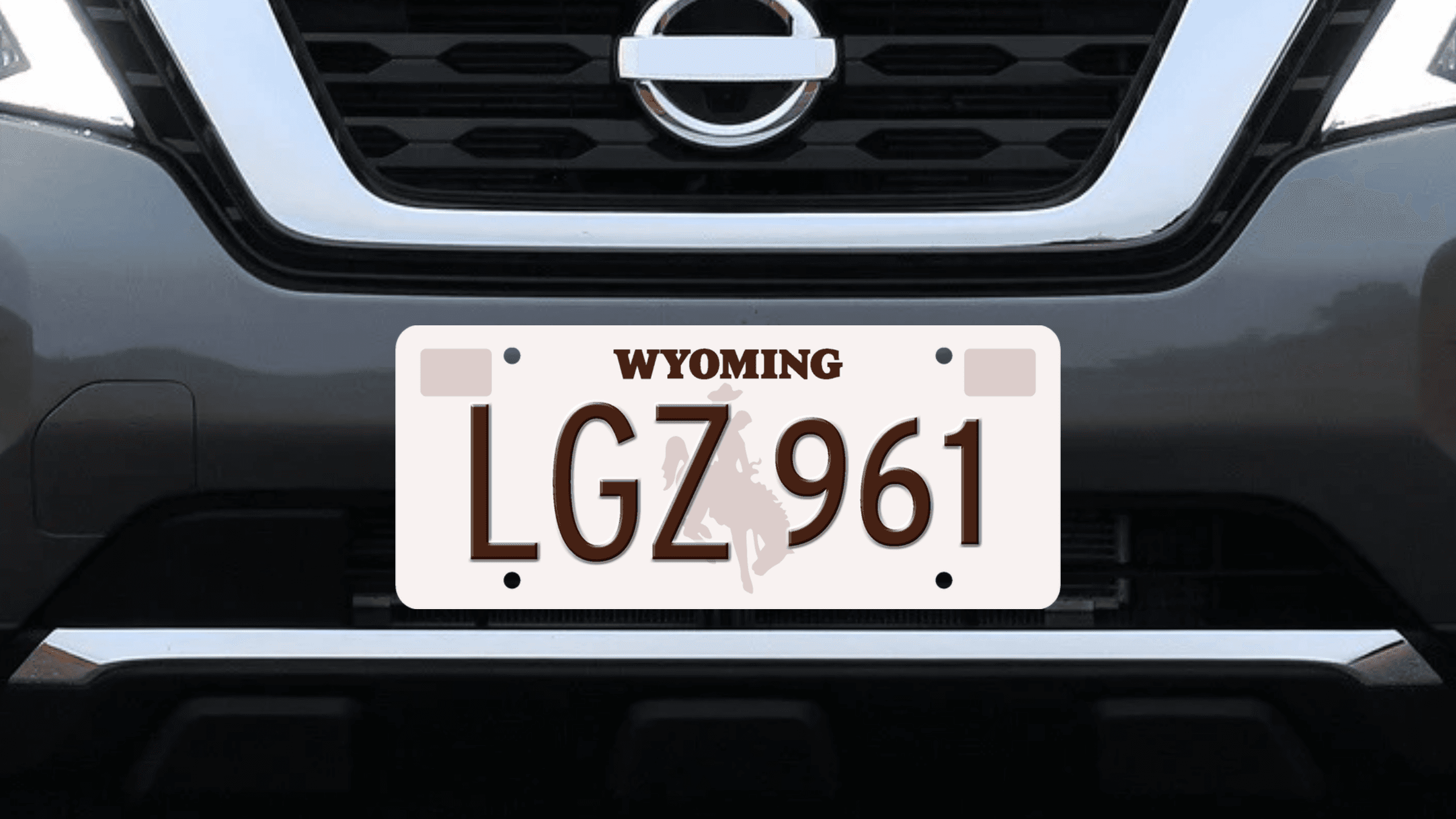
After standardization
Template
Final Designs
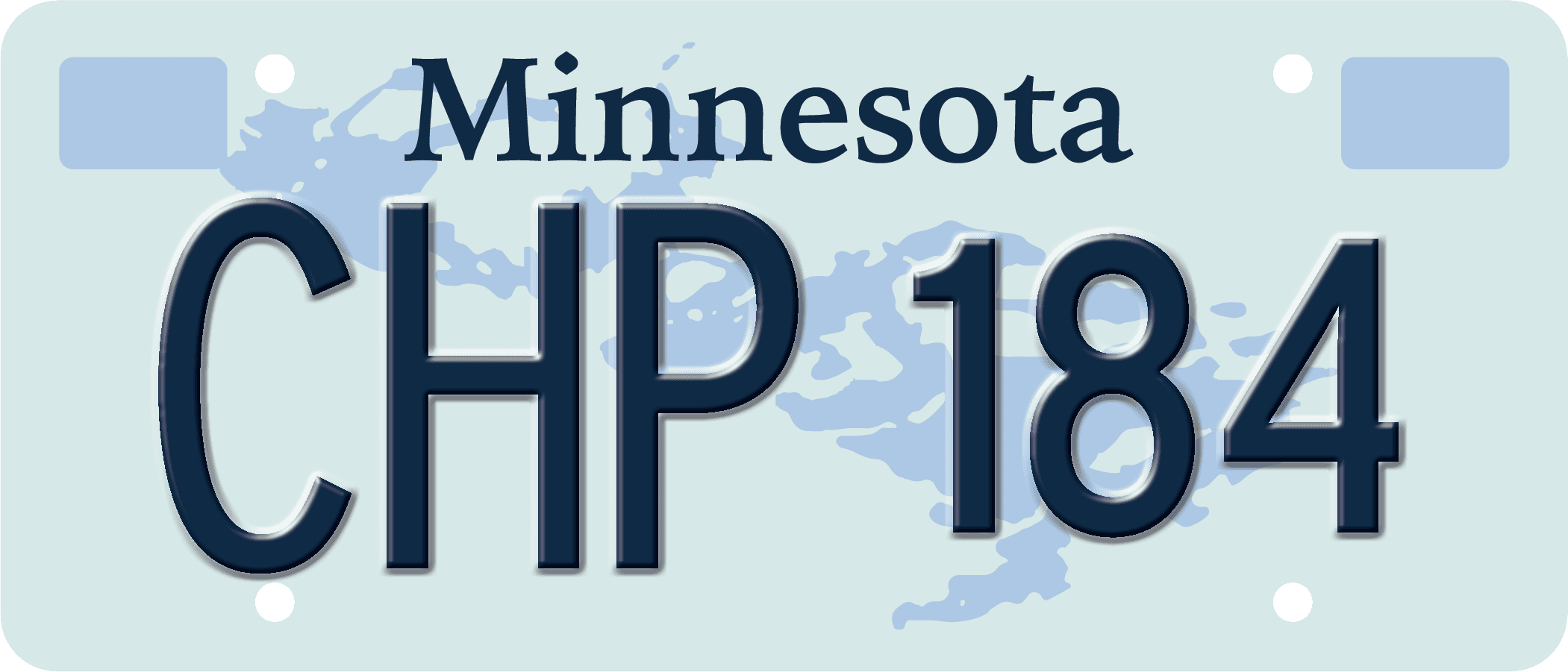
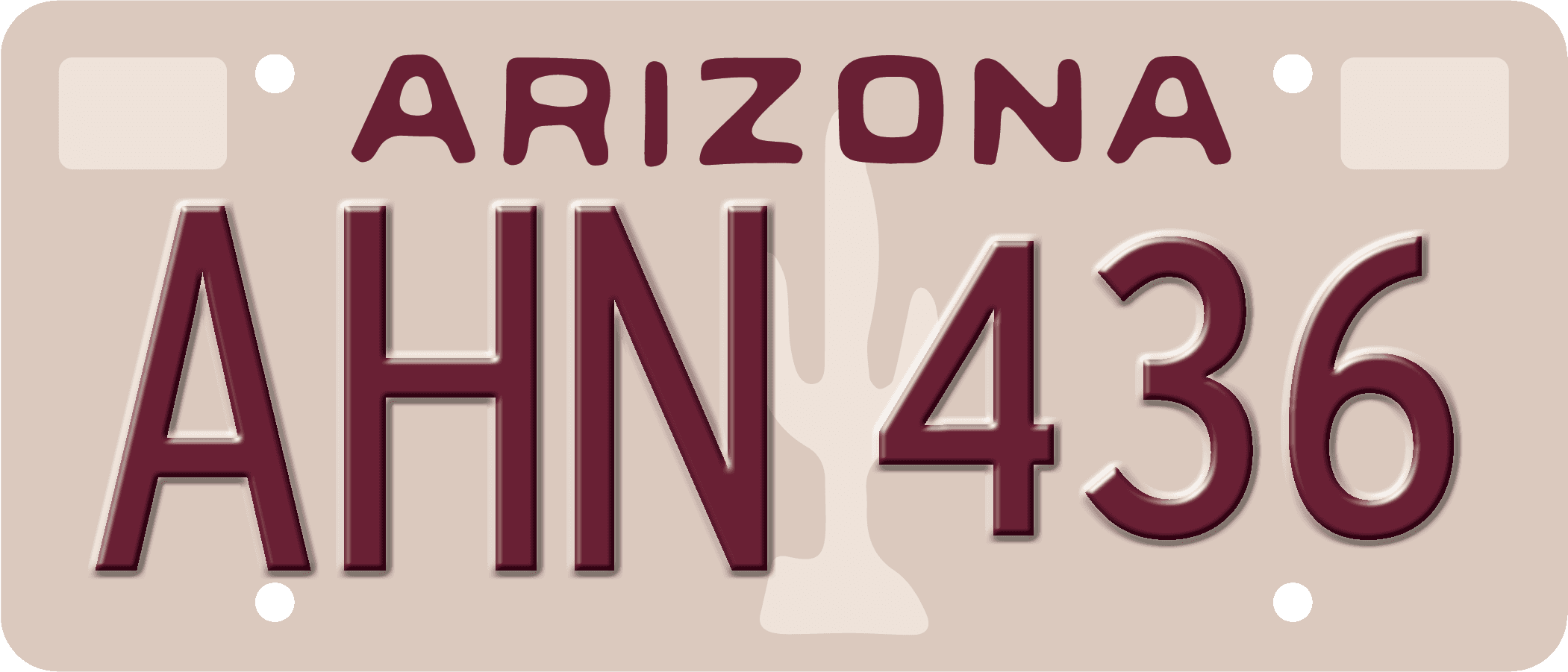
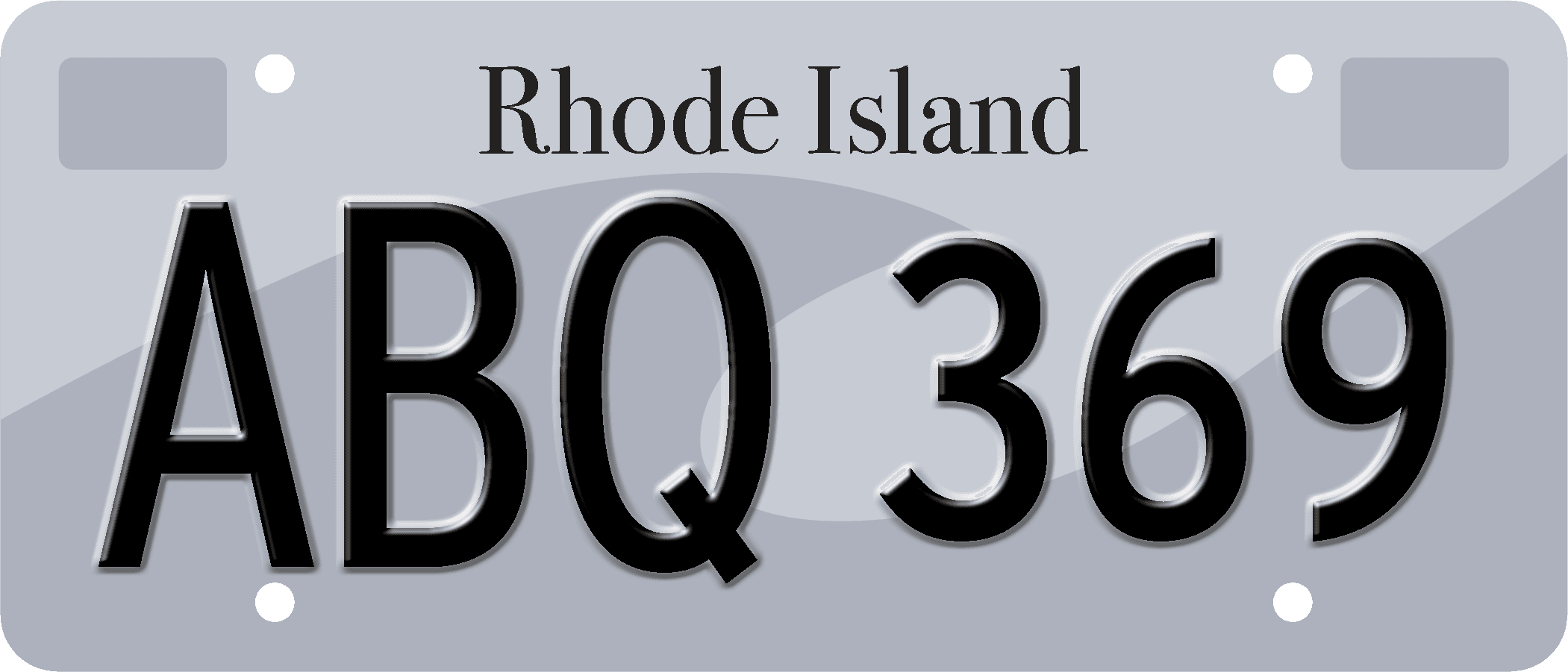
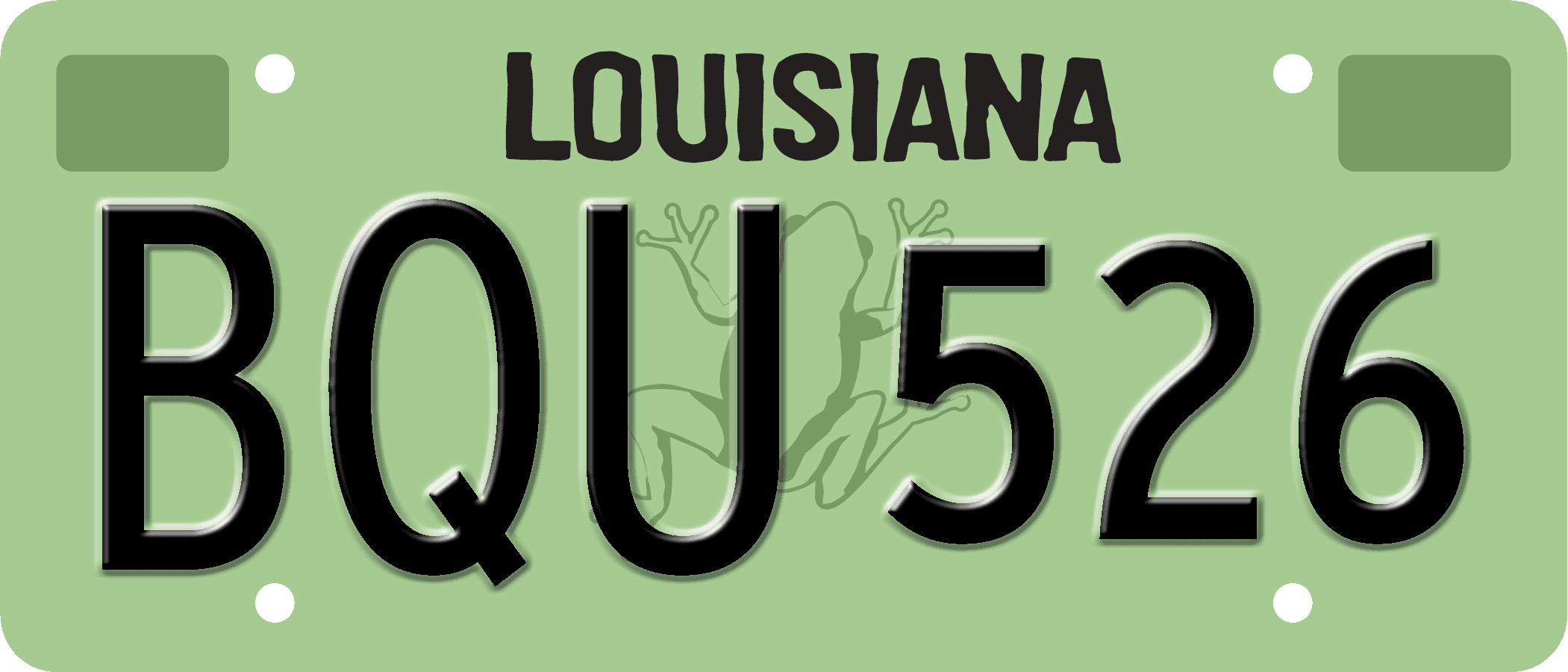
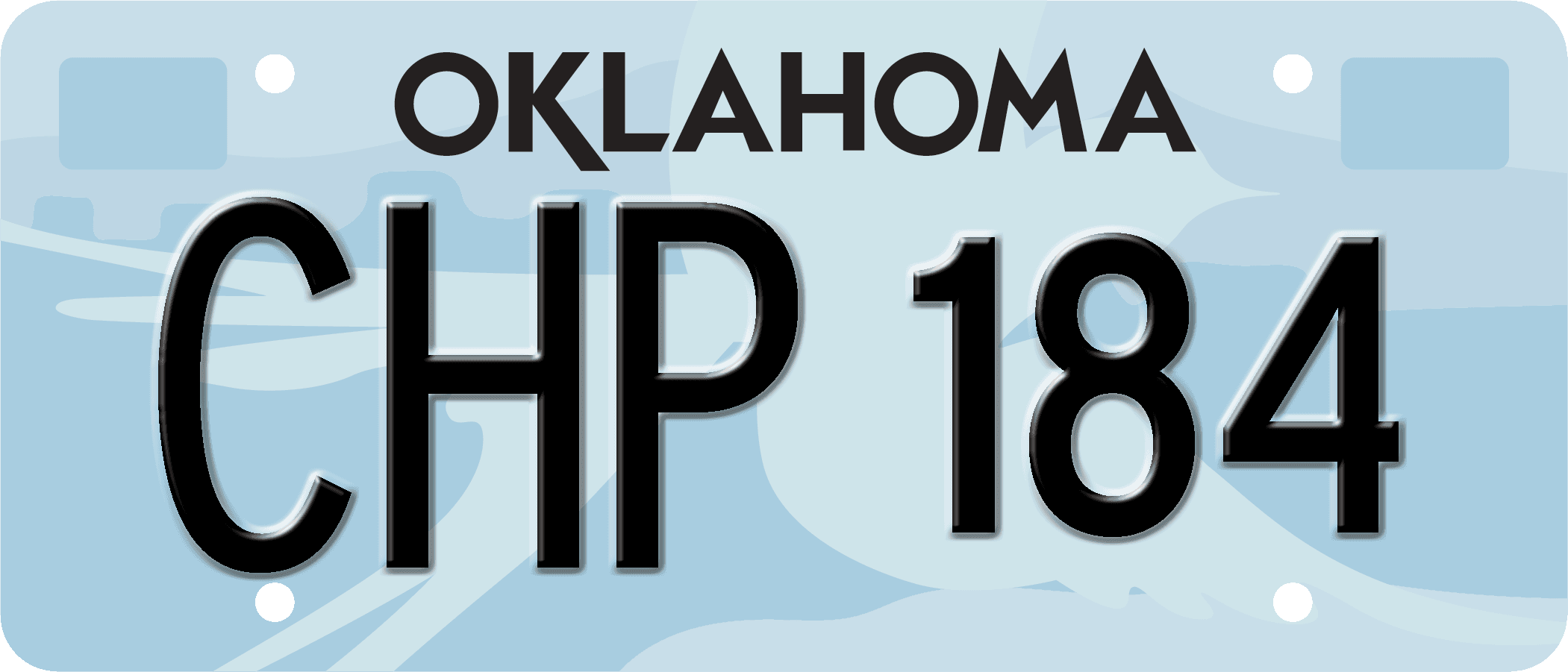
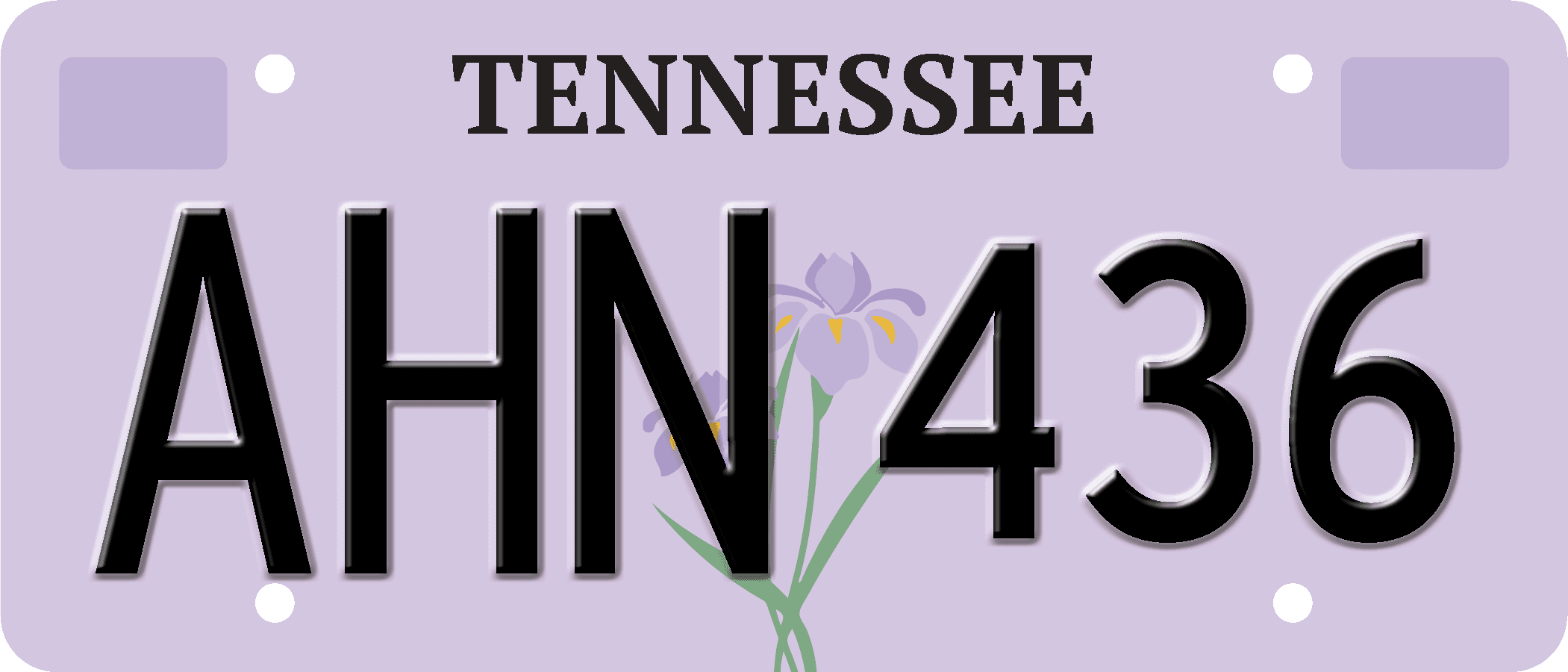
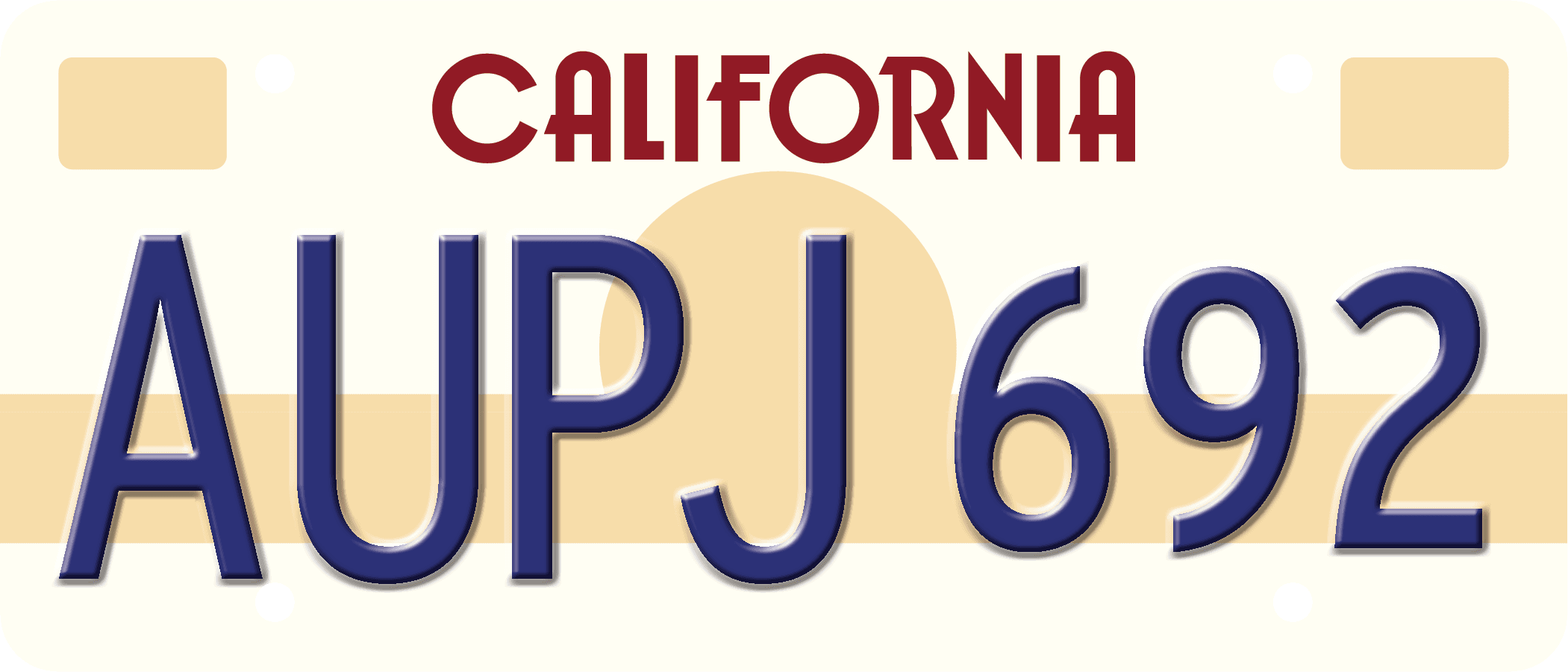
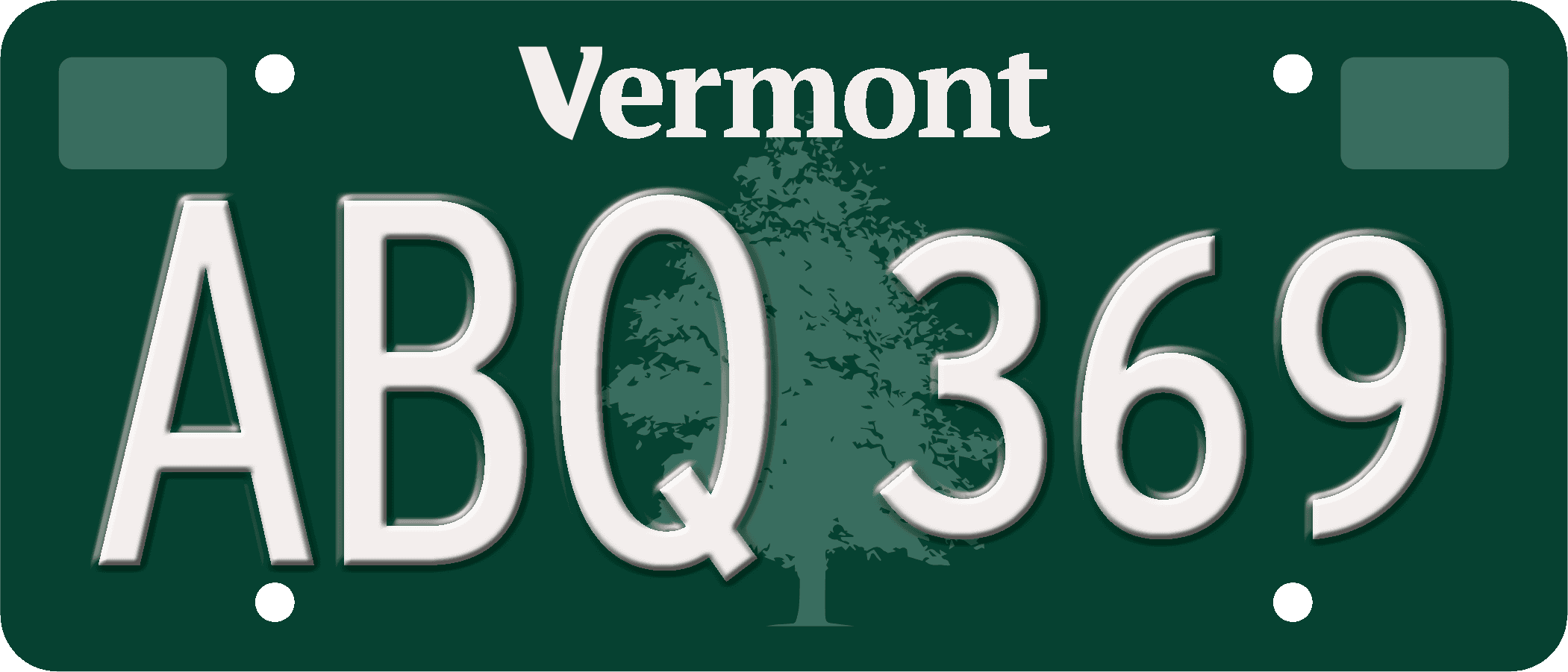
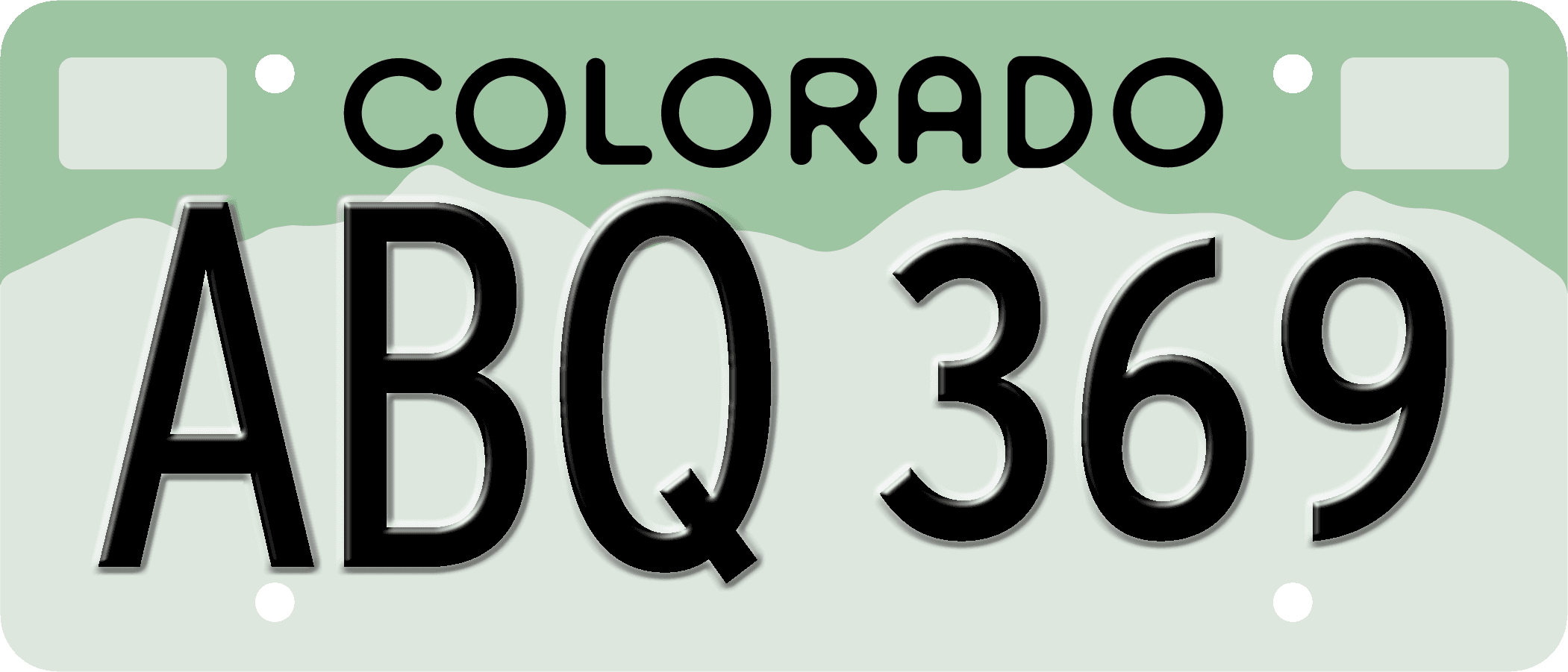
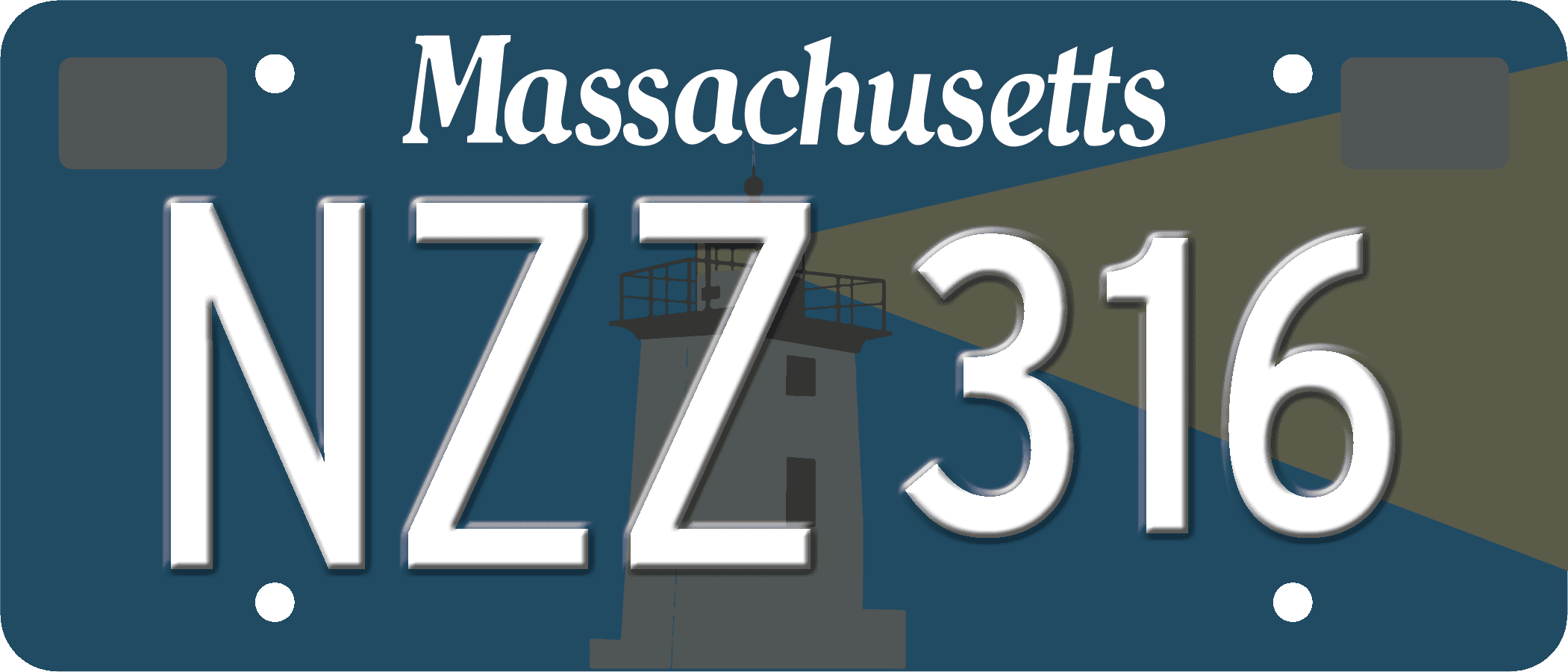
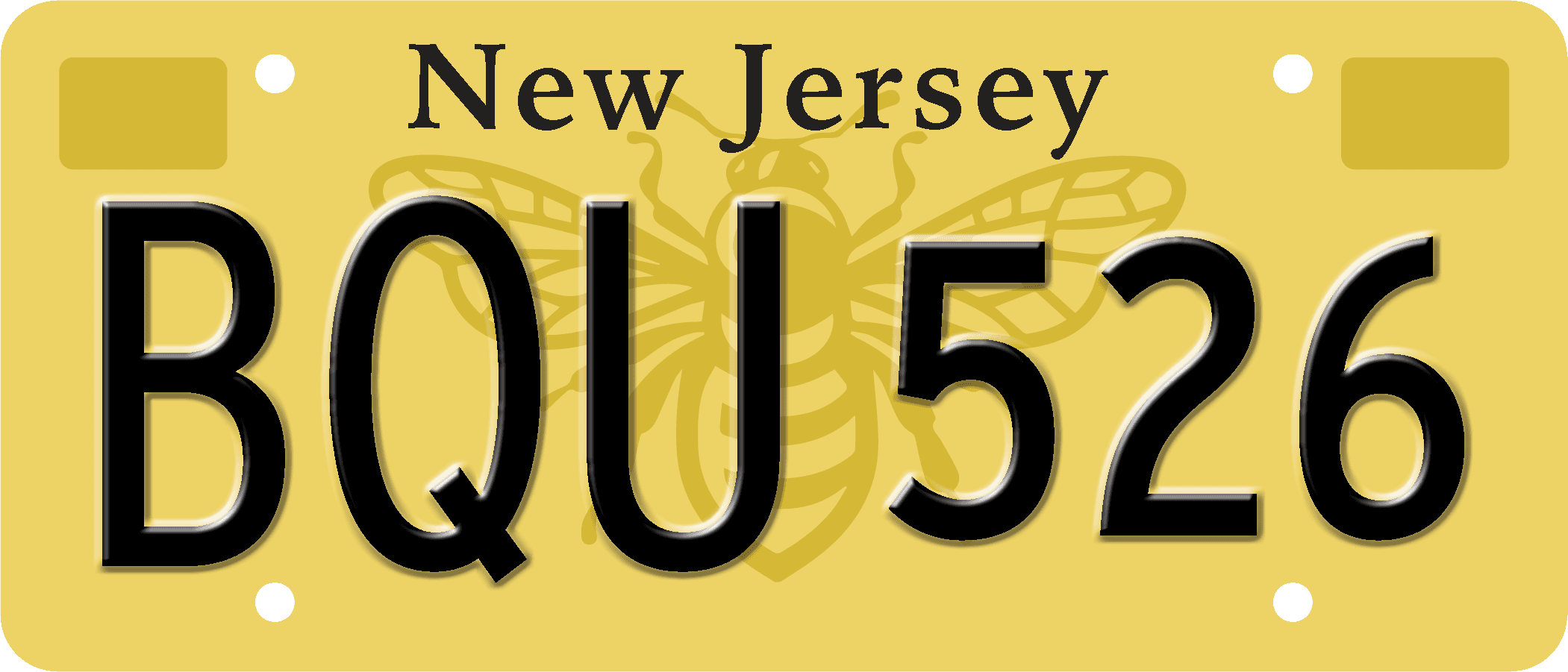
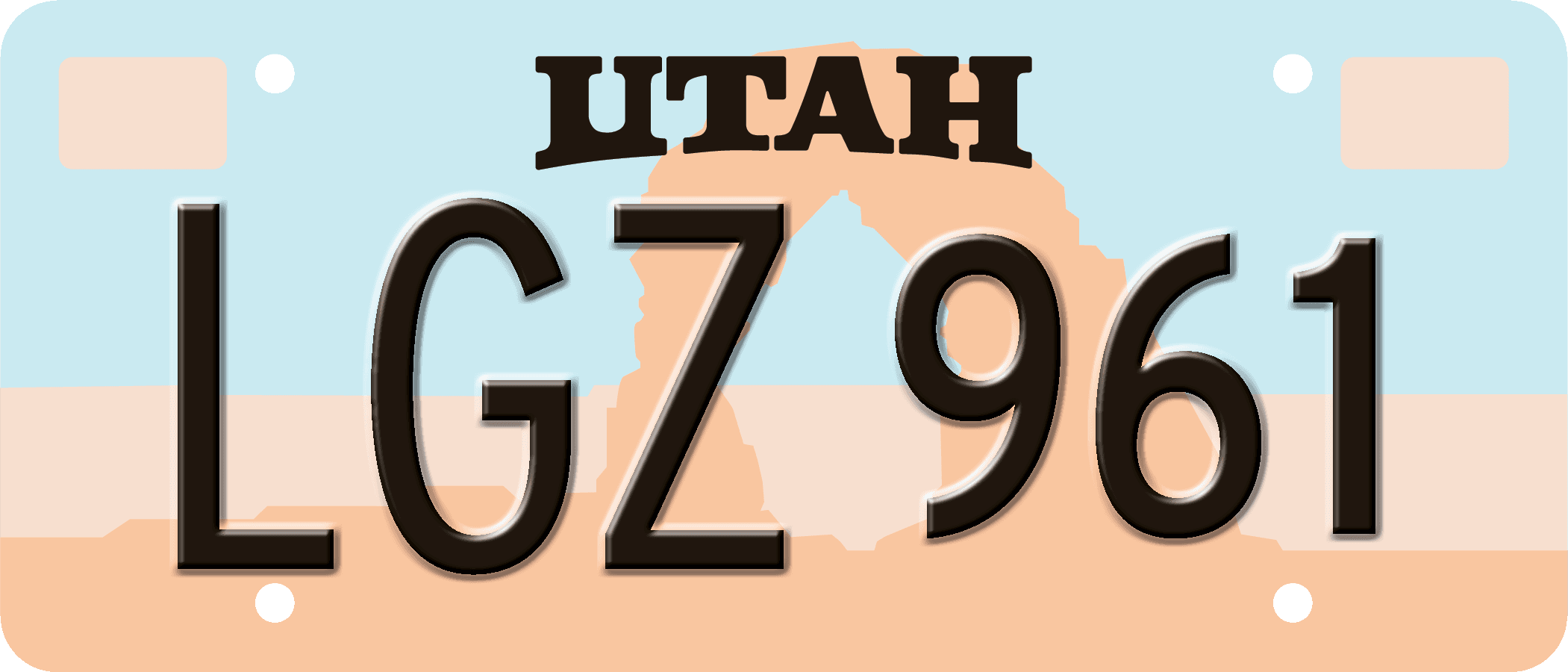
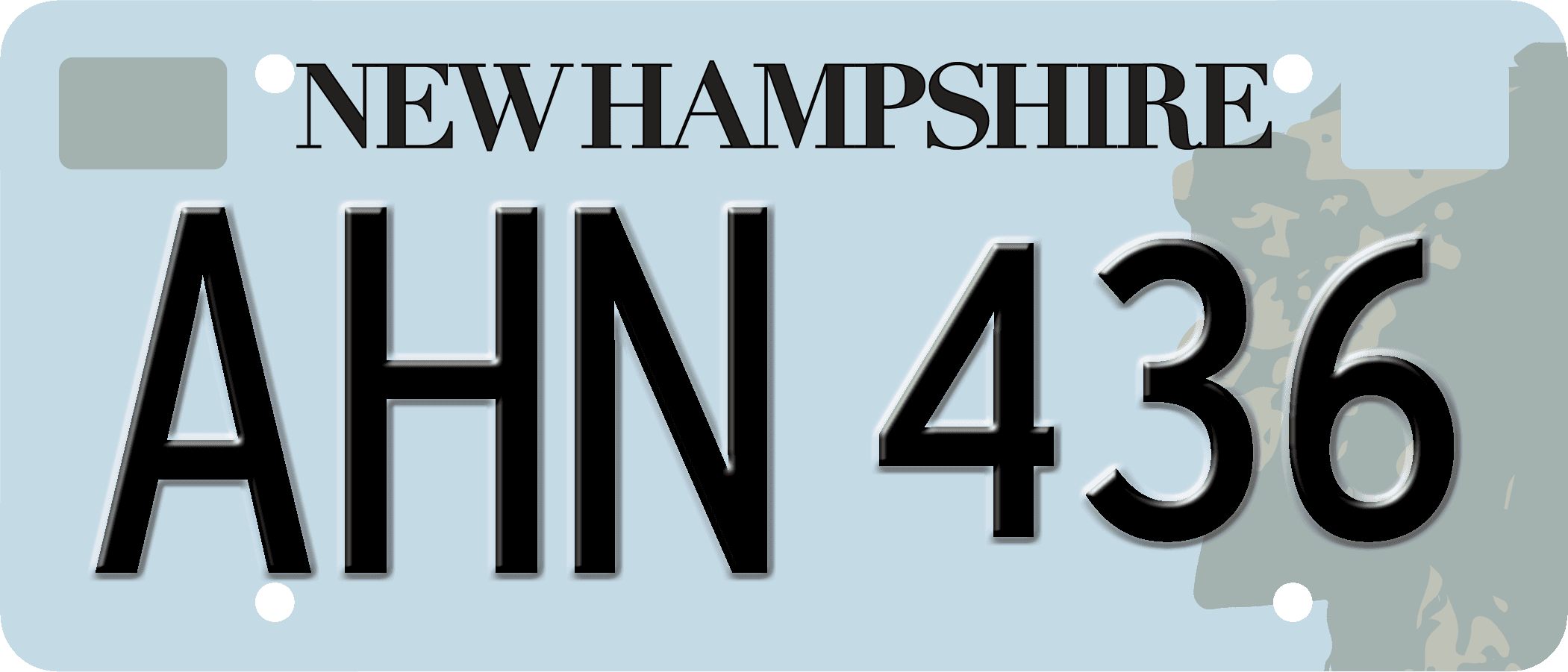
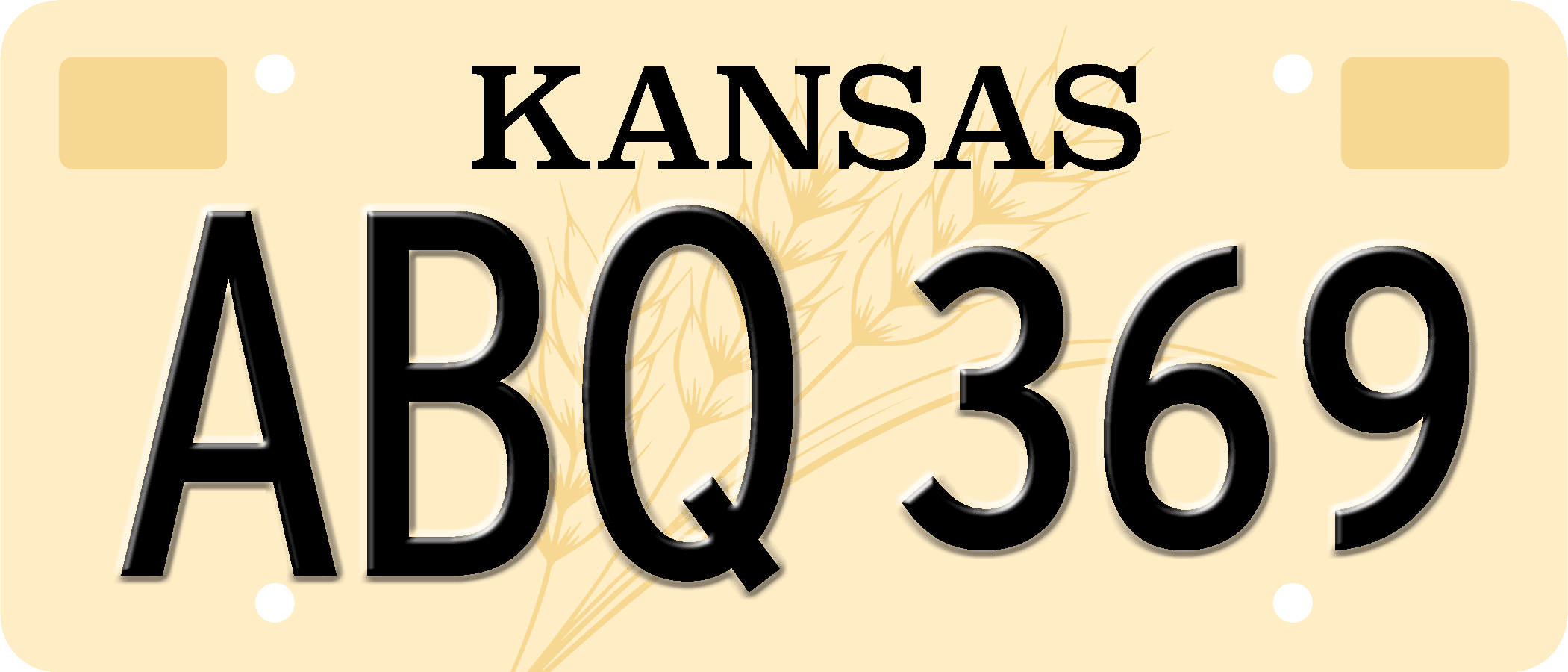
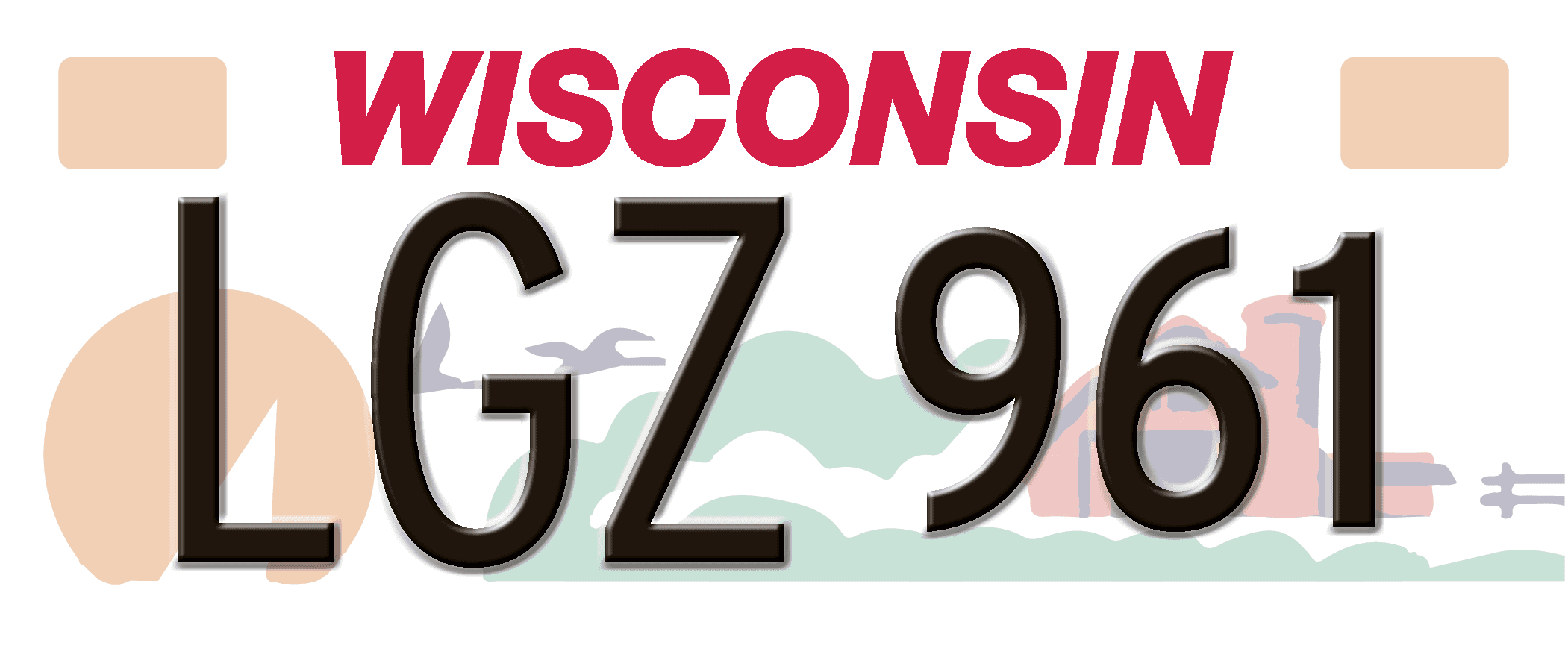
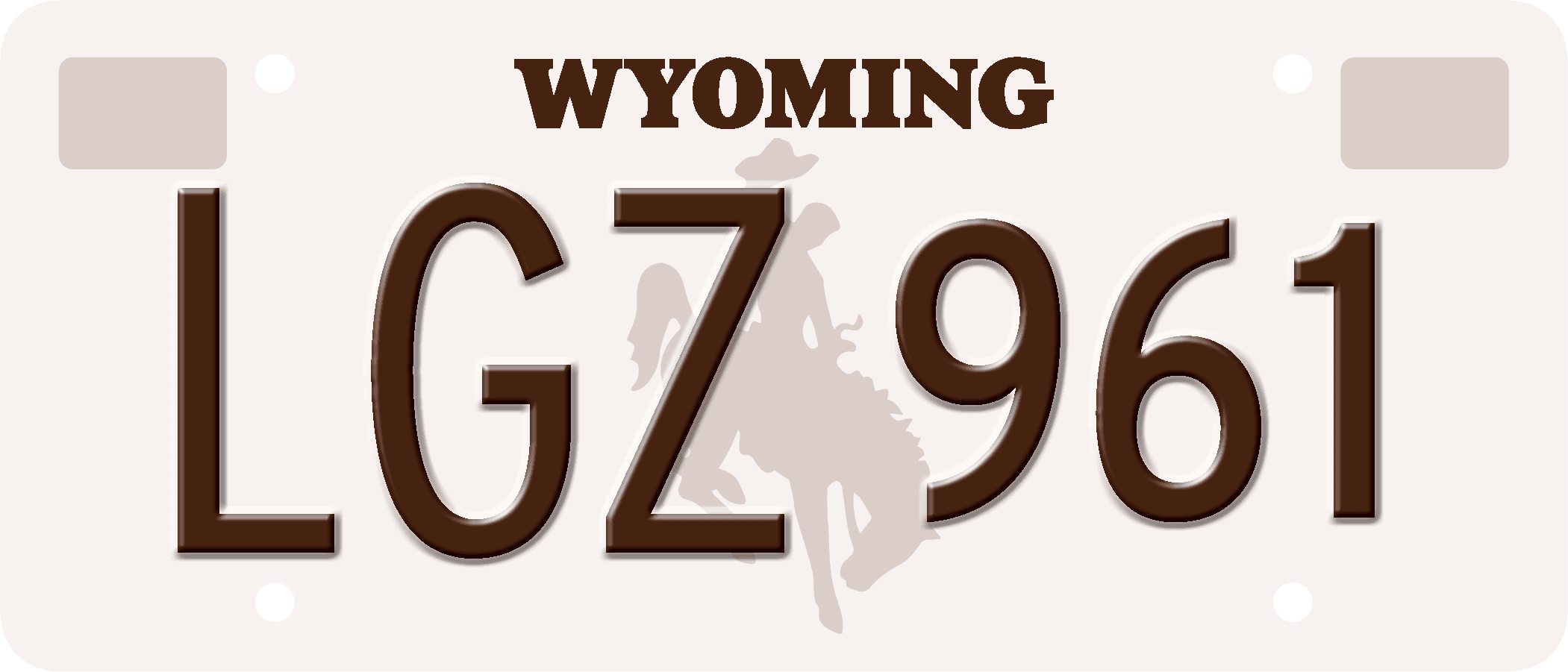
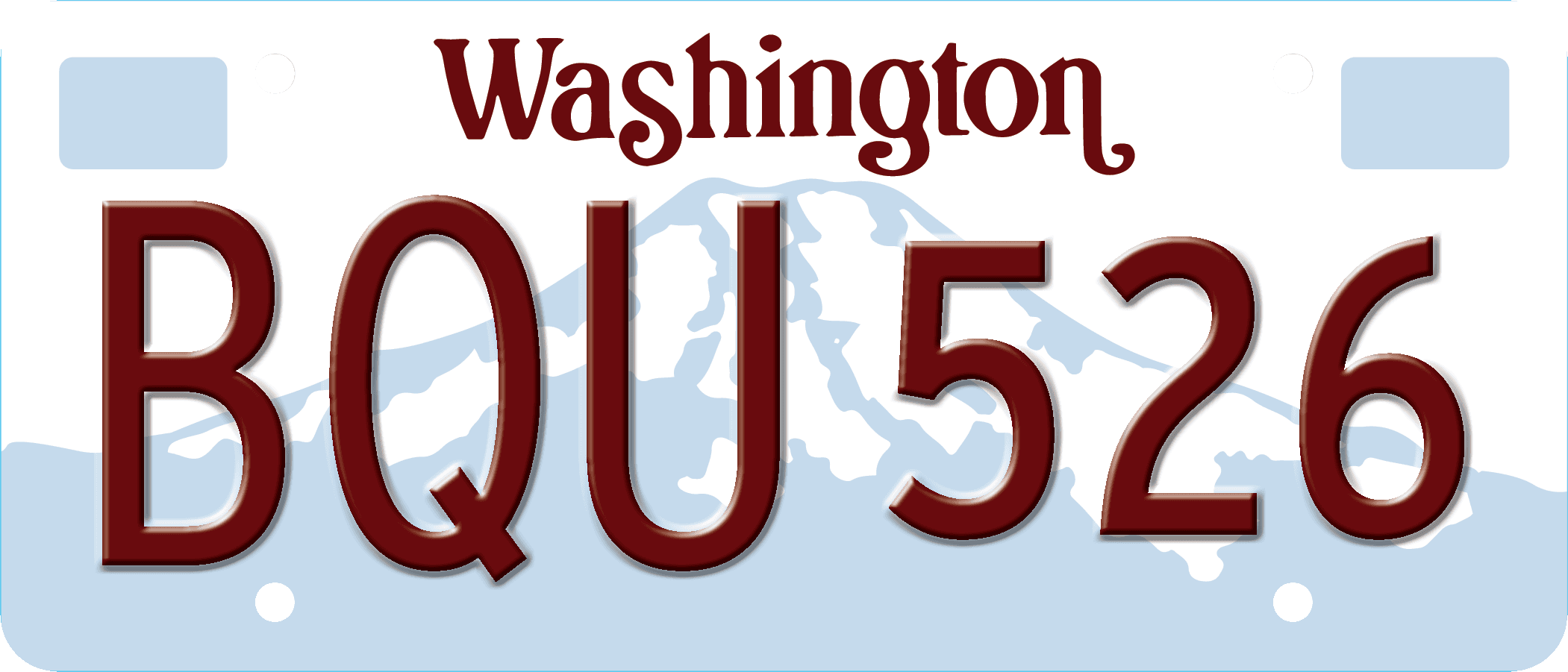
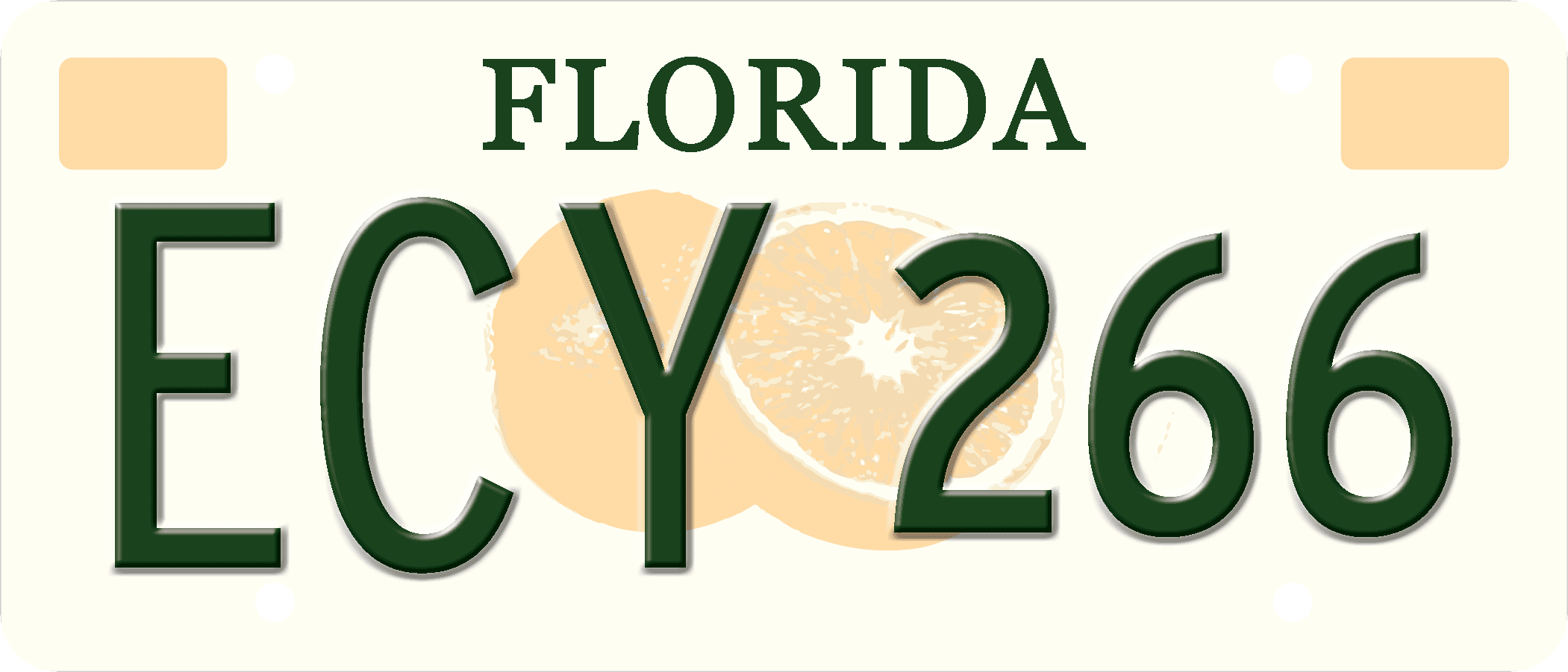
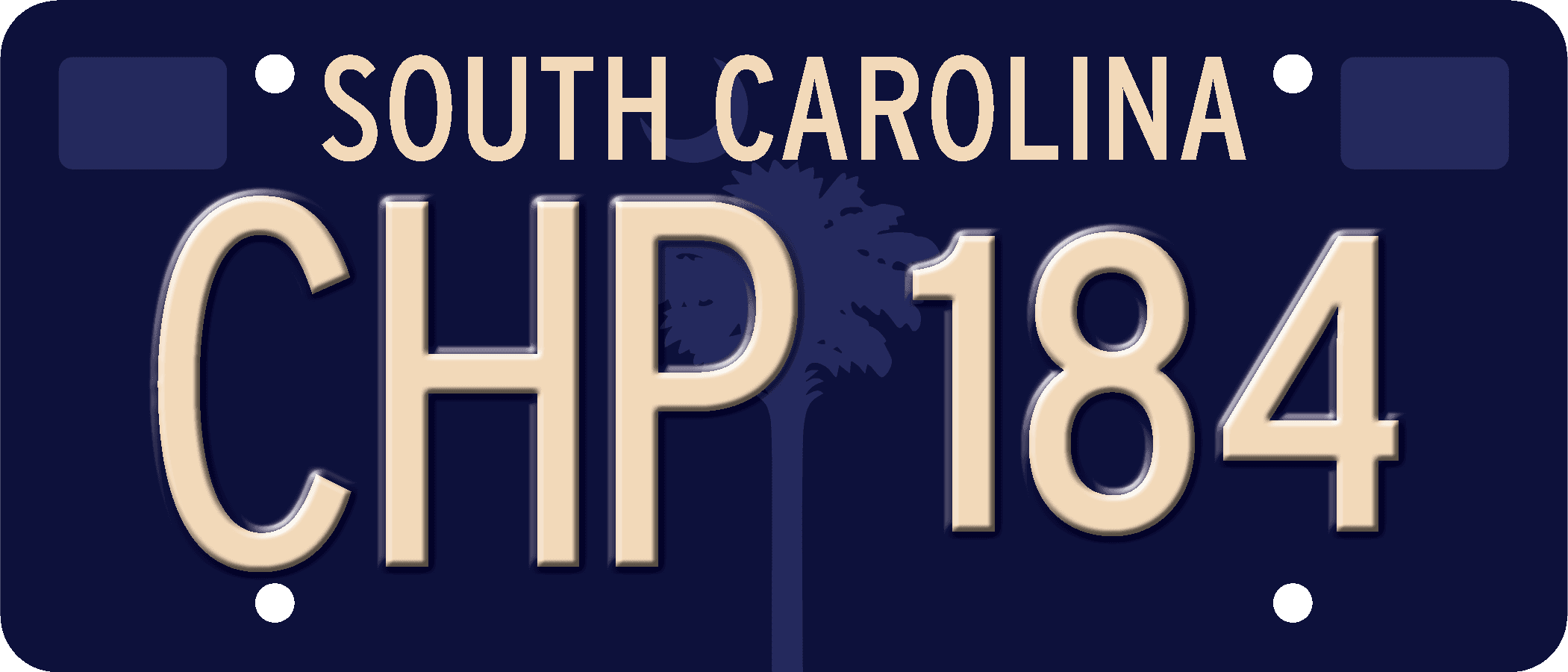
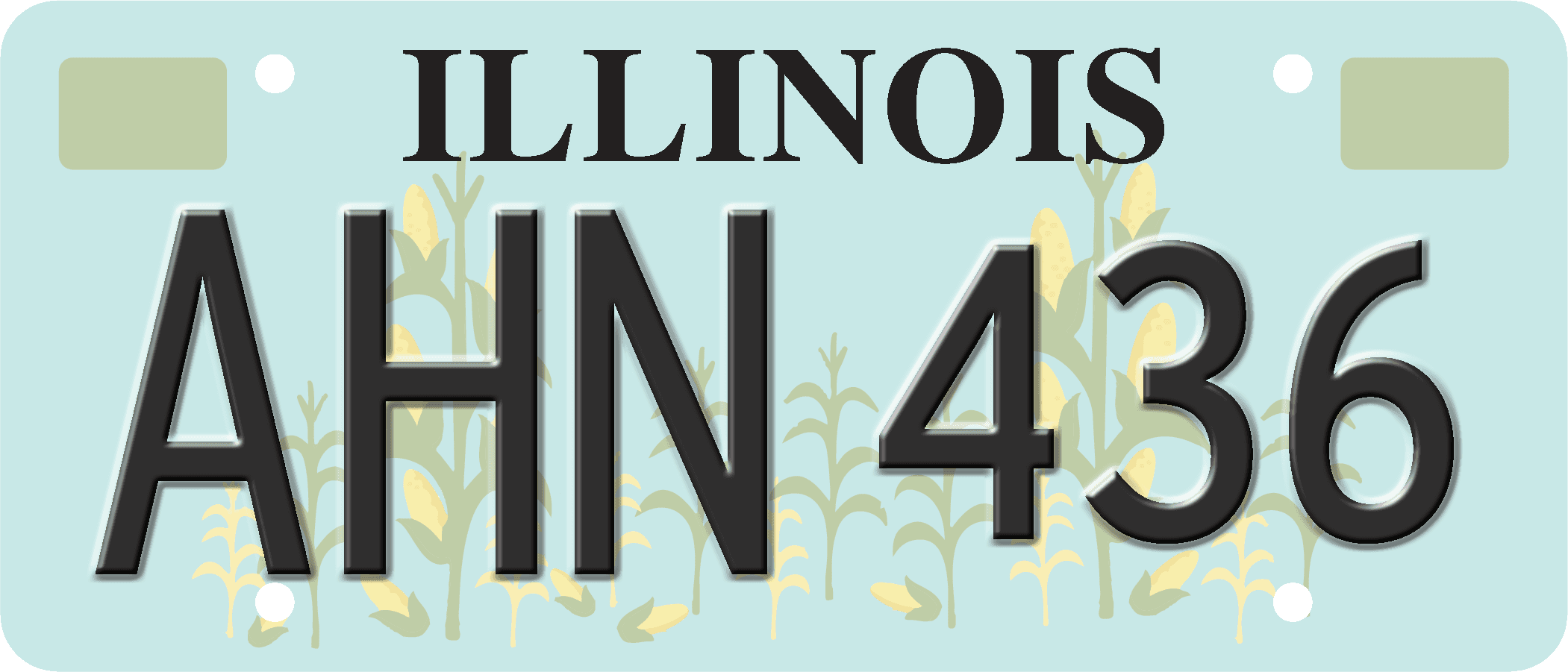
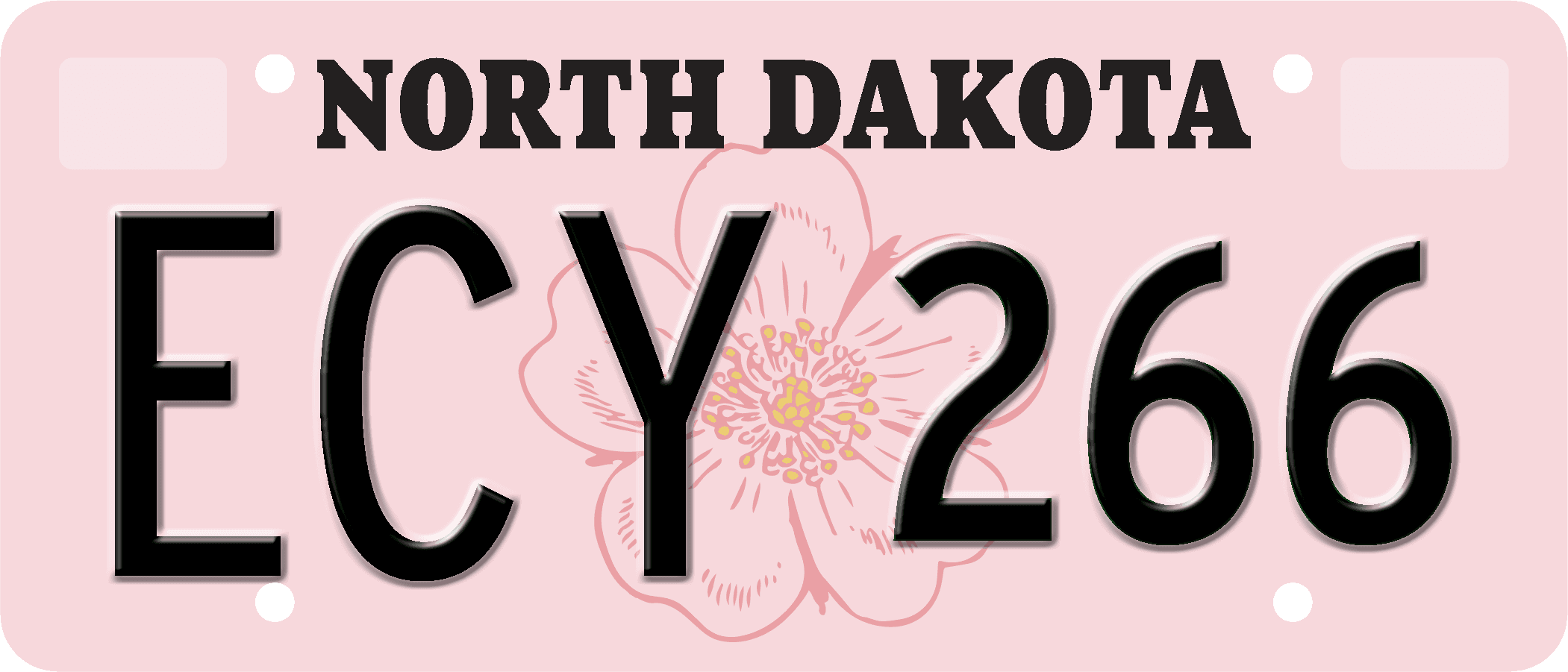
Some new plate designs take inspiration from the current ones, but with adjusted saturation and contrast. The others feature a unique symbol of nature relevant in each state.













Takeaway
This project gave me a better grasp on research with primary and secondary sources. And, I have a new understanding of accessibility—legibility is beneficial to all users.
With more time, I would have done some user testing to ensure that there are real improvements in legibility. I would redesign the remaining 10 plates. I would work on distinguishing the designs to improve recall of each state. Instead of appropriating old state name logos, I would use a more legible typeface. I would reconsider the size constraint of the template system to accommodate states like California that have more than 6 registration characters.
Let's make our own project! Send me a message at zoegale@gmail.com.